
Products
Hazardous Location & Explosion-Proof Hoists
Understand hazardous location classifications and explore hoist options suited to your facility’s lifting requirements.
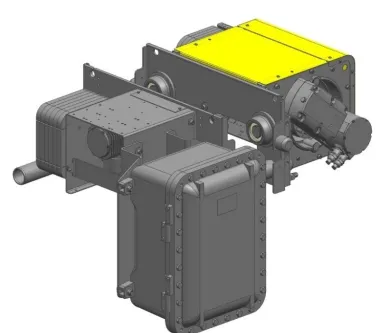
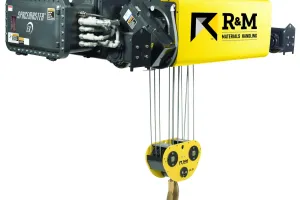

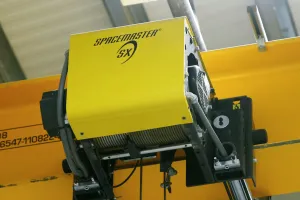
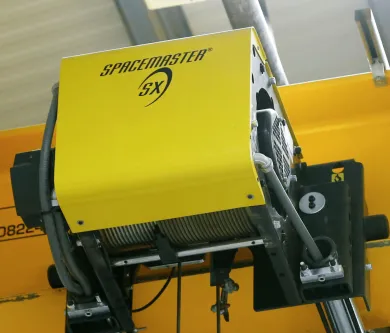
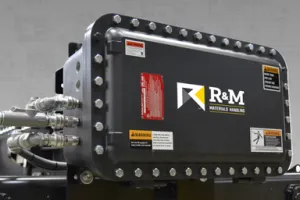
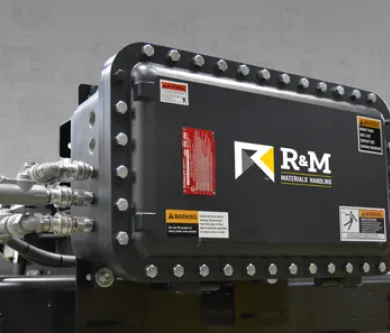
Hoists for Classified Lifting Environments
R&M hazardous location hoists provide NEC-rated configurations for Class I, Division 1 and Division 2 environments.
Overview
Key Features of Our Hazardous Location Hoists
Applications
Define Your Hazardous Location Hoist Requirements
Before requesting a quote, gather the area classification and operating details needed to select a suitable hoist. Review the complete lifting system, including the trolley, bridge, controls, wiring, brakes, hooks, load block and electrical enclosures.
Provide the following information:
- Full area classification: Confirm the Class, Division, Group and required Temperature Class. Class identifies the hazard type, Division describes the conditions under which it may be present, Group identifies gas or vapor ignition characteristics and Temperature Class limits equipment surface temperature.
- Hazardous materials present: Identify the gases or vapors that determine equipment suitability.
- Lifting requirements: Specify load weight, lift height, suspension, duty cycle and operating frequency.
- Mechanical protection requirements: Confirm which spark-resistant components the application requires.
- Controls and operating conditions: Identify pendant or radio control preferences, power supply and ambient temperature.
Talk With R&M About Hazardous Location Hoists
R&M Materials Handling can help evaluate hazardous location hoist requirements, spark-resistant hoist components, ignition-protected controls and hazardous location crane systems. Contact R&M or an authorized R&M distributor to discuss your application.