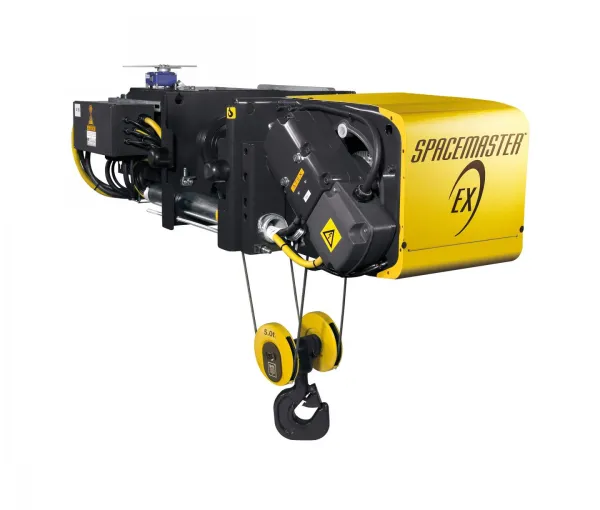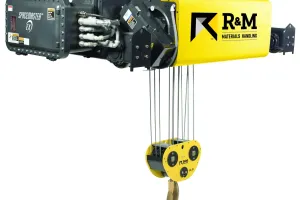
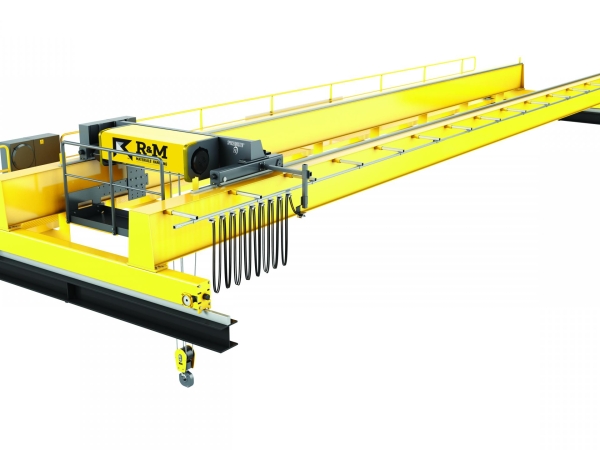
SPACEMASTER® EX CLASS I, DIV 2 HOIST

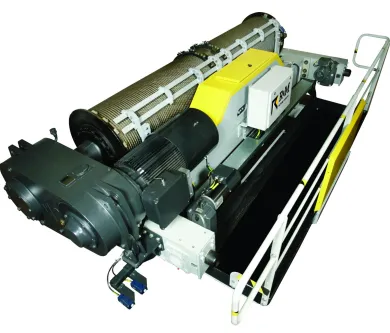
The R&M Spacemaster® EX wire rope hoist delivers the lowest headrooms and best wheel loads in the industry, making it the ideal hoist for hazardous locations.
Read more

OVERHEAD LIFTING INFORMATION (OLI)

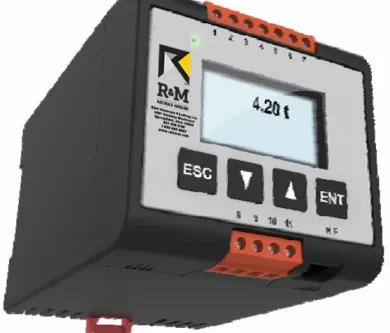
OLI, or Overhead Lifting Information, is a wireless-enabled app that works with R&M’s HoistMonitor® to format and display raw data on the condition and usage of your...
Learn More

Anchorage ML&P Case Study

See how R&M's ex-proof equipment helped this Anchorage, AK utility ensure its customers maintain power during critical maintenance.
Read more

Optimized Hoisting Solutions for the Oil and Gas Industry

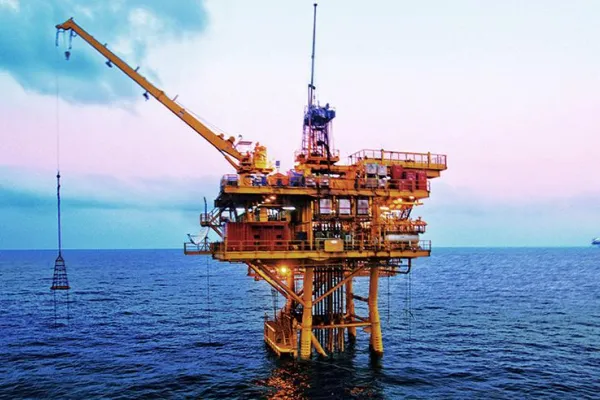
Petrochemical plants and refineries keep the world's factories running, homes heated and vehicles moving. Whether operating onshore or offshore, robust hoisting systems tailored to these challenging environments are essential for maintaining seamless operations and meeting regulatory compliance. This critical infrastructure industry can't afford to take risks on refinery equipment that doesn't meet the highest standards, which is why R&M's equipment is designed to withstand the harsh environments associated with the petroleum and gas industry.
petroleum and gas

Related products

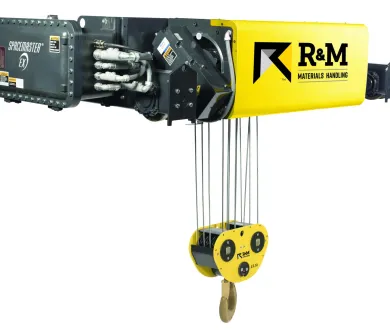
SPACEMASTER® EX CLASS I, DIV 2 HOIST

The Spacemaster® EX Class I, Division 2 Hoists are industry-leading, explosion-proof hoists for maximum safety in potentially combustible environments.
Read more

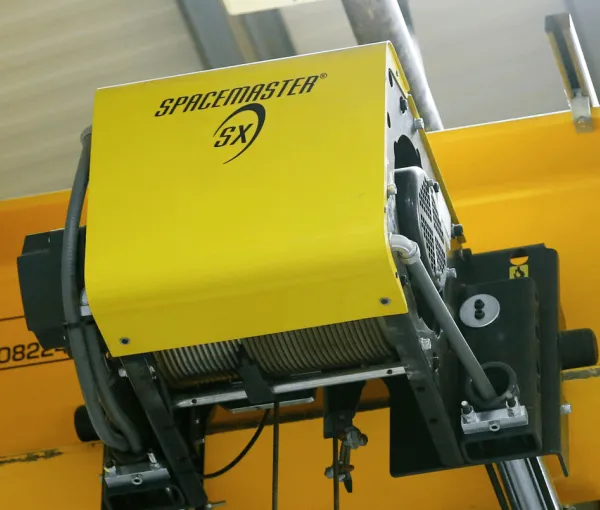
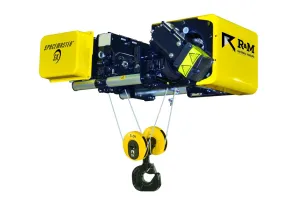
Spacemaster® SX Wire Rope Hoist

The Spacemaster® SX wire rope hoist offers efficient lifting with compact design, smooth motion control and reliable load handling.
Read more

Hoist Monitoring

Hoist monitoring with R&M's HoistMonitor® Enclave device provides real-time data on the condition of your hoist while protecting from overloads.
Read more

SXL Heavy Lifting Winch

R&M’s SXL is an open winch electric overhead hoist, designed for demanding, heavy-duty applications, across a wide range of industries. Learn more now!
Read more

FAQs

Unique Demands of the Oil and Gas Sector

Oil and gas projects often involve heavy machinery, large-scale components and operate under specialized environmental considerations that are either very wet, very warm, or very cold. These factors demand crane systems and hoists that can handle substantial loads while remaining efficient and reliable. Onshore operations, such as pipeline construction and refinery projects, require rugged lifting solutions that prioritize flexible usage schedules, while offshore platforms necessitate corrosion-resistant materials and compact designs.

Show

Specialized Offshore and Onshore Hoisting Solutions

Different environments call for specialized equipment:

  • Offshore Drilling Platforms: Hoists with anti-corrosive coatings and compact footprints to manage limited deck space.
  • Onshore Refineries and Pipeline Construction: Heavy-duty, mobile solutions to safely move large components across sprawling facilities.

Selecting the right hoisting systems for each environment can improve efficiency, reduce downtime and lower maintenance costs long term.

Show

Handling Heavy Equipment in Hazardous Environments

Oil and gas facilities are subject to harsh conditions, including corrosive saltwater, high heat and potential explosive vapors. Ensuring worker safety and meeting regulatory requirements are top priorities in oil and gas environments. Explosion-proof hoists, certified under relevant safety standards, offer a critical layer of protection against ignition hazards. In the United States, the National Electrical Code (NEC) defines mandatory standards for electrical equipment in hazardous areas. Choosing NEC-compliant hoists is not optional—it’s essential for safety, compliance and risk reduction.

Our Spacemaster® EX hoists are rated for use in Class I, Division 2 environments with Groups B, C and D, and Temperature Class T3 or in Class I, Division 1 environments with Groups C and D and Temperature Class T4. Class and Division rated equipment can be used in the appropriate Zone classified environment as permitted by the National Electrical Code (NEC 505.9 and NEC 505.20) and the Canadian Electrical Code (CEC C22.1).

Show

Customization for Unique Applications

Extreme and hazardous conditions often require specific features for safety concerns related to hazardous environments. R&M’s Spacemaster EX hazardous location hoists can be configured specifically to your application. In addition to standard features such as spark-resistant wire rope and NEMA 4 and 7 protection ratings for the control enclosure, we offer non-sparking options specifically designed for hazardous environments, including bronze-coated hooks, brass wheels, brass drop lugs on the trolley and stainless-steel wire rope.

Show

Case Study: Explosion-proof Crane That Delivers Unquestionable Reliability

Because R&M hoists and crane systems are so reliable and the maintenance required on our equipment is so minimal, the crane builder specified the Spacemaster EX with complete confidence. The Spacemaster EX is the hazardous location version of the industry-leading Spacemaster SX hoist. In this case study, it carries a Class I, Division 2 explosion-proof rating for groups C and D and temperature class 3. It also features non-sparking options, making it the ideal choice for the hazardous conditions.

Read the full case study: Anchorage Municipal | Light & Power | R&M Materials Handling

Show

Maintenance Programs to Ensure Equipment Longevity

Market fluctuations make temporary storage, also known as mothballing, and recommissioning equipment an accepted practice in the oil and gas industry. Scheduled maintenance and careful recommissioning are crucial to extending the lifespan of your equipment.

Additionally, proper storage when the equipment is not in use is essential to maintain its functionality. Clean the hoist thoroughly, removing all dirt and debris. Inspect it for wear and damage, addressing any issues that may arise. Protect sensitive components and lubricate moving parts before storage. Secure and support the hoist and disconnect power and controls. When recommissioning, conduct a visual inspection, review documentation and compliance, clean and lubricate key components, replace worn parts and perform an electrical and control systems check, as well as operational testing.

Check with your local crane service provider for detailed information on decommissioning and recommissioning your equipment. Document the decommissioning and recommissioning processes and maintain the records for quick reference when needed.

Show